When parents and teachers work together, it makes a real difference to how a child experiences school. But it’s easy for home and school to feel like separate worlds — and when that happens, nobody wins: not you, not your child, and not the teacher. A strong parent-teacher relationship helps create a positive school experience for everyone involved. Here are 4 easy ways to build a better parent-teacher relationship.
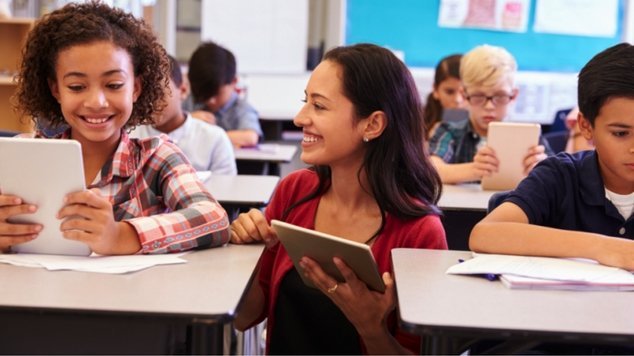
As a parent, you know your child’s habits, moods and quirks better than anyone. You help with homework and play a huge role in their social development. Teachers play a similar role from a different angle — they’re the mentor in the classroom, with a clear sense of what each student needs to succeed. They may also notice things about your child’s social interactions at school that you don’t see at home.
When home and school feel disconnected, it can hold back a child’s progress. But when parents and teachers act as allies, it creates a genuinely positive learning environment. A child’s education is one of the most important parts of their overall development, so it’s worth getting this relationship right.
#1. Communication Is Key
Open, two-way communication is at the heart of any good educational experience. Teachers and parents both need to keep those lines open throughout the school year — not just when something goes wrong.
Staying in touch consistently isn’t always easy. Life is busy for everyone, and both parents and teachers are juggling careers, family life and everything in between. The key is approaching communication as a shared effort rather than a one-way update.

A short meeting at the start of the school year is a great way to set the tone, along with a rough plan for checking in over the months ahead. Approach these conversations as two people working toward the same goal — whether that’s solving a problem or simply reviewing how things are going. This gives both the most important influences in a child’s life the chance to check in on their learning, behaviour and any new goals worth setting.
#2. Meet Issues Head-On
No child — or classroom — is perfect. Issues will come up from time to time, whether at home or at school, and it’s best to deal with them directly rather than let them linger.
When parents and teachers present a united front, it shows the child that both sides genuinely care. It also gives them a stronger support system, and reinforces that home and school aren’t separate boxes — what happens in one affects the other.
Recommended Reading: How To Get Your Child To Pay Attention for Homework
#3. Be Objective
Issues in the classroom can sometimes widen the gap between parents and teachers. Parents may feel a teacher is being unfair, or find their own childhood experiences of school colouring how they see the situation. It happens to all of us.

Try to approach these moments with an objective mindset, so you can work together on a plan that actually helps your child. If you feel your child is being treated unfairly, ask for a meeting with the teacher. If you’re a teacher dealing with a challenging student, reach out to the parents rather than letting things build up.
The sooner an issue is addressed calmly, the faster your child can make positive changes — with both of you in their corner.
#4. Use Technology to Stay Connected
Technology has made it easier than ever to stay in touch, so it makes sense to use it to strengthen the parent-teacher relationship. A quick message can keep both sides in the loop on the good days and the harder ones.
Sharing contact details — whether that’s email or a school communication app — means teachers can send short weekly updates on how a student is getting on, and parents can do the same from their end. It keeps everyone involved without adding extra pressure to already busy schedules.
A child’s education matters enormously, and how well they do often comes down to how well the adults around them work together. Staying objective, communicating openly, and using the tools available to you are all part of building that success.
Have you got a tip that’s worked well for building a strong relationship with your child’s teacher? We’d love to hear it in the comments below.

Frequently Asked Questions
Why does the parent-teacher relationship matter so much?
A strong relationship between home and school means your child gets consistent support in both places. It helps issues get spotted and resolved early, and gives your child the sense that the adults around them are working together, not at odds.
How often should parents and teachers be in touch?
There’s no fixed rule, but a check-in at the start of the school year followed by regular short updates works well for most families. The right frequency depends on your child’s needs and the teacher’s own communication style — it’s worth agreeing on what suits you both early on.
What should I do if I disagree with my child’s teacher?
Try to approach the conversation calmly and ask for a meeting rather than raising it in passing. Focus on the specific issue and what would help your child, rather than on who’s “right” — this keeps the conversation productive for everyone.
Can technology really improve the parent-teacher relationship?
Yes — even something as simple as a shared email thread or a school app can make a big difference. It gives both sides an easy way to flag concerns or share good news without needing to schedule a formal meeting every time.
You Might Also Like
If this was useful, you may also enjoy our article on helping your child focus during homework time, along with other learning and school-life tips from MyKidsTime.
Save This for Later
Building a better parent-teacher relationship isn’t a once-off job — it’s worth revisiting as the school year goes on. Bookmark this article or save it to your favourites so you can come back to it whenever you need a refresher.
Get More Parenting Tips Straight to Your Inbox
Want more practical ideas like these delivered weekly? Sign up for the MyKidsTime newsletter for tips, activities and family-friendly ideas — no spam, just genuinely useful stuff for busy parents.